How I Nailed the Perfect Moment to Invest in Experiences — And Why Timing Changed Everything
Remember that trip you kept postponing, or the concert ticket you hesitated to buy? I’ve been there — and I learned the hard way that timing isn’t just about money, it’s about value. In today’s world, spending on experiences isn’t wasteful — it can be strategic. I started treating my experience budget like an investment, not an expense, and suddenly, every decision felt clearer. This is how I found the sweet spot between enjoyment and financial sense — and how you can too. What began as a personal experiment in mindful spending evolved into a structured approach to financial well-being, where joy and prudence coexist. It’s not about spending more; it’s about spending smarter, at the right moment, for lasting returns that extend beyond the bank statement. The shift didn’t happen overnight, but once I recognized that time, energy, and emotion are all part of the financial equation, everything changed.
The Shift: From Saving to Smart Spending
For decades, the financial mantra has been simple: save, save, save. We were taught to delay gratification, build emergency funds, and avoid unnecessary purchases at all costs. While these principles remain sound, they don’t fully account for the evolving nature of modern life, where personal fulfillment and mental well-being play a growing role in long-term stability. I once followed this rigid model to the letter — setting aside income, cutting discretionary costs, and feeling virtuous about every dollar saved. Yet, despite my growing balance sheet, I felt emotionally drained and disconnected. The turning point came during a particularly stressful year when I canceled a planned retreat to preserve my savings. In hindsight, that decision cost me more than I realized. My stress levels spiked, my productivity dropped, and I ended up taking unpaid time off later — a true financial loss disguised as discipline.
This experience prompted a deeper reflection on what it means to be financially healthy. I began to question whether the traditional definition of financial success — purely in terms of net worth and asset accumulation — was complete. Research from behavioral economists began to support what I was feeling: experiences contribute to long-term happiness in ways that material possessions cannot match. Unlike a new handbag or gadget, which loses novelty quickly, the memory of a meaningful trip or a transformative workshop lingers, often growing richer over time. This isn’t just sentimentality; it’s a measurable psychological phenomenon known as the “rosy retrospection effect,” where people remember past experiences more positively than they were at the time. Recognizing this, I started to view certain experiences not as expenses, but as assets with emotional dividends.
The shift wasn’t about abandoning financial responsibility — far from it. It was about redefining what counts as a worthy investment. Just as a diversified portfolio includes different asset classes, a well-balanced financial life includes both savings and intentional spending. I began allocating a fixed portion of my discretionary income to what I now call “experience capital.” This wasn’t a free pass to overspend, but a deliberate strategy to invest in moments that could yield long-term personal and even professional returns. The result? I became more intentional, not less. I saved just as much, but I also allowed myself to spend with purpose, knowing that the right experience at the right time could pay dividends in resilience, creativity, and clarity.
Why Experience Spending Isn’t Just Fun — It’s Financial Strategy
Conventional financial wisdom often categorizes spending on travel, dining, classes, or events as “lifestyle” or “discretionary” — a polite way of saying non-essential. But this classification fails to capture the full impact of experiential spending. When approached with intention, these purchases can serve as powerful tools for personal development, mental recovery, and even career advancement. I began to track not just what I spent, but how I felt afterward. Over several months, I logged my mood, energy levels, and focus following different types of spending: buying clothes, upgrading home items, attending workshops, and taking short trips. The pattern was unmistakable. Material purchases brought a brief spike in satisfaction, usually fading within days. In contrast, experiential spending — even something as simple as a weekend cooking class — led to sustained improvements in mood and motivation that lasted for weeks.
This isn’t anecdotal. Studies from institutions like Cornell University and the University of British Columbia have consistently shown that people derive more lasting happiness from experiences than from material goods. One key reason is that experiences become part of our identity. We tell stories about them, revisit them in memory, and connect with others through shared moments. Material items, on the other hand, tend to blend into the background of daily life. More importantly, positive emotional states directly influence decision-making, productivity, and interpersonal relationships — all of which have financial implications. When you’re energized and focused, you’re more likely to perform well at work, make better financial choices, and maintain healthy relationships that support long-term stability.
I began to see my spending on experiences as a form of self-maintenance, much like regular health checkups or professional development. Just as a business invests in training its employees to improve performance, I started investing in myself to enhance my personal “operating system.” A well-timed yoga retreat didn’t just offer relaxation — it reset my sleep patterns, reduced anxiety, and improved my ability to manage daily stressors. A photography workshop didn’t just teach me a new skill — it reignited my creativity, which spilled over into my professional projects. These outcomes weren’t accidental; they were the result of deliberate investment. By reframing these costs as strategic rather than indulgent, I gained greater confidence in my financial decisions and reduced the guilt often associated with spending.
The Hidden Risk of Waiting Too Long
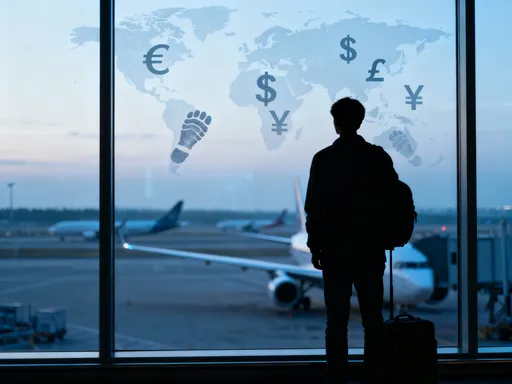
One of the most costly financial mistakes isn’t overspending — it’s inaction. We often assume that waiting allows us to save more, make better choices, or avoid regret. But when it comes to experiences, delay can erode value in ways we don’t anticipate. I learned this the hard way when I postponed a dream trip to Portugal for two years, convinced I’d enjoy it more with a larger budget. When I finally booked it, flight and accommodation prices had increased by nearly 30%. More significantly, I was emotionally and physically exhausted from work, and the joy I had imagined was muted by burnout. The trip was still beautiful, but it wasn’t transformative — and that made all the difference.
This delay taught me that experiences, like financial assets, are subject to depreciation. Factors such as inflation, seasonal pricing, limited availability, and personal life conditions all influence the return on an experiential investment. A birthday celebration postponed loses its emotional resonance. A family reunion delayed may miss a key moment in a loved one’s life. Even your own energy and health fluctuate, meaning the same experience can have vastly different impacts depending on when you take it. Waiting for the “perfect” time often means missing the optimal time altogether. In financial terms, this is akin to holding cash too long during a rising market — you preserve liquidity but lose opportunity.
I now evaluate potential experiences not just by cost, but by their time sensitivity. I ask: Will this be more valuable now than later? Is there a window of opportunity — emotional, physical, or logistical — that could close? For example, a wellness retreat during a period of high stress offers more benefit than the same retreat during a calm phase. A cooking class taken while learning to cook for a new dietary need has higher utility than one taken randomly months later. Recognizing that timing affects value has made me more proactive. I no longer wait for excess funds; I plan for strategic moments when the emotional ROI is likely to be highest. This approach doesn’t encourage impulsivity — it promotes foresight.
Timing the Market vs. Timing Your Life
In traditional investing, the common advice is that time in the market beats timing the market. Consistent, long-term participation usually outperforms attempts to predict short-term movements. But when it comes to life experiences, timing is not only relevant — it’s essential. You can’t dollar-cost average a child’s first concert, a milestone anniversary, or a sabbatical after a decade of work. These moments are unique and non-repeatable. Their value is tied to context, emotion, and personal readiness, not just financial readiness.
I began to map my experience spending around personal cycles rather than just budget cycles. I observed patterns in my energy levels, work demands, and emotional states throughout the year. I noticed that after major projects, I entered a “recharge window” — a period of mental openness and physical fatigue that made me highly receptive to restorative experiences. If I missed that window, the need for recovery would persist, often leading to burnout or inefficiency. I also identified “growth windows” — times when I was naturally curious, motivated, or facing transitions — that were ideal for learning-based experiences like workshops or certifications.
This personal rhythm became a new metric for decision-making. I realized that spending $1,200 on a silent meditation retreat during a burnout phase delivered far more value than spending the same amount on a spontaneous weekend getaway during a calm period. The former restored my mental clarity and prevented costly mistakes at work; the latter was pleasant but forgettable. The financial return wasn’t in cash, but in avoided losses — fewer sick days, better decisions, stronger relationships. By aligning spending with personal timing, I turned experiences into leverage points for long-term well-being and productivity. This isn’t about spending when you feel like it — it’s about spending when it matters most.
Building an Experience Investment Framework
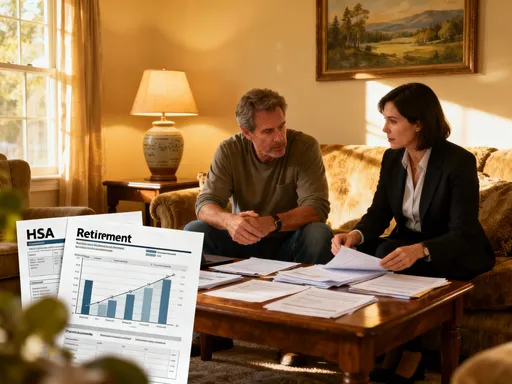
To bring structure to this approach, I developed a simple but effective framework for evaluating and planning experiential spending. It’s modeled after principles used in venture capital, where investors assess not just cost, but potential return, risk, and timing. I call it the Experience Investment Framework, and it consists of three core components: urgency, emotional ROI, and opportunity cost. Instead of asking, “Can I afford this?” I now ask, “When will this provide the greatest return?” and “What might I miss if I don’t do this now?”
Urgency considers time sensitivity — is this a once-in-a-lifetime event, a limited-time offer, or a response to a current life phase? Emotional ROI measures the anticipated impact on well-being, energy, and relationships. I estimate this based on past experiences and self-awareness. Opportunity cost evaluates what I’m giving up — not just financially, but in terms of time and emotional bandwidth. For example, spending $800 on a writing retreat might mean delaying a home upgrade, but if the retreat leads to a new freelance opportunity, the long-term gain could outweigh the short-term trade-off.
I allocate a portion of my annual discretionary budget — typically 10% to 15% — to this “experience fund,” treating it like a venture portfolio. Some investments are small and low-risk, like a local pottery class. Others are larger and higher-impact, like an international volunteer trip. After each experience, I conduct a brief review: Did it meet my expectations? Did it improve my mood, health, or relationships? Did it open new opportunities? This feedback loop helps refine future decisions. Over time, I’ve seen compounding benefits — stronger social connections, improved mental resilience, and greater confidence in my financial judgment. This isn’t reckless spending; it’s strategic allocation with measurable outcomes.
Avoiding the Pitfalls: When Not to Invest
Just as not every stock is a good buy, not every experience is a wise investment. I’ve made my share of missteps — booking a luxury spa weekend out of FOMO after seeing a friend’s post, or signing up for a course I didn’t have time to complete. These weren’t investments; they were emotional reactions disguised as self-care. The danger lies in confusing desire with value. True experiential investment requires clarity, intention, and self-awareness. Without these, spending can become a form of avoidance — using travel to escape stress, shopping to fill a void, or dining out to soothe loneliness.
To avoid these traps, I now use two simple rules. The first is the 72-hour rule: if I’m considering a non-essential experience, I wait three days before booking. This pause allows emotions to settle and lets me assess whether the desire persists. The second is a value checklist: Does this align with my current goals? Will it enhance my well-being or relationships? Is it time-sensitive? If I can’t answer yes to at least two of these, I reconsider. I also ensure that my experience fund never compromises my emergency savings or essential expenses. Liquidity and security come first. Risk control in experiential investing means knowing when to say no, even when the deal seems attractive.
Another common pitfall is over-optimization — trying to extract maximum value from every moment. This can turn a relaxing vacation into a checklist of must-see attractions, defeating the purpose. I’ve learned to leave room for spontaneity and rest. Not every experience needs to “pay off” in a measurable way. Some are simply about being present, enjoying the moment, or reconnecting with loved ones. The framework isn’t rigid; it’s a guide to more thoughtful spending. Discipline isn’t about restriction — it’s about alignment with what truly matters.
The Bigger Picture: Wealth as Well-Being
At the heart of this journey is a redefinition of wealth. For years, I measured success by account balances, investment returns, and net worth. But I’ve come to see that true financial health includes more than numbers — it includes peace of mind, energy, connection, and purpose. The quiet mornings in a mountain cabin, the laughter shared over a homemade meal with friends, the confidence gained from mastering a new skill — these are not distractions from wealth. They are integral to it. By mastering the timing of experience spending, I’ve built a life that feels richer in every sense.
This approach has also made me a more resilient investor. When I’m emotionally balanced and mentally clear, I make better financial decisions. I’m less likely to panic during market dips, more likely to stick to long-term plans, and more capable of spotting genuine opportunities. The compounding effect isn’t just in my experience fund — it’s in my overall financial behavior. I’ve stopped viewing money as a finite resource to be hoarded, and started seeing it as a tool to create a meaningful life. This shift hasn’t made me spend more; it’s made me spend with greater intention and satisfaction.
In the end, the perfect moment to invest in an experience isn’t when you have the most money — it’s when you need it most. Timing changes everything because value isn’t static; it’s shaped by context, emotion, and readiness. By treating experiences as strategic investments, I’ve found a way to honor both my financial goals and my human needs. And that, I’ve realized, is the smartest investment of all — not just in moments, but in the kind of life I want to live. Financial success isn’t just about accumulating wealth; it’s about cultivating worth. And when you get the timing right, the returns last a lifetime.