You Won’t Believe What’s Hiding in Manama’s Backyards
When you think of Manama, skyscrapers and souks probably come to mind—but there’s a quieter, greener side most travelers miss. Tucked away from the bustle are protected natural spaces where flamingos wade at dawn and coral reefs hum with life. I was stunned to discover how much wild beauty thrives in this urban corner of the Gulf. These hidden sanctuaries aren’t just escapes—they’re proof that conservation and city life can coexist. Far from being overshadowed by rapid development, Bahrain’s capital quietly shelters ecosystems that pulse with resilience, from coastal wetlands to desert reserves. What lies beyond the city lights is not emptiness, but life—carefully preserved, thoughtfully managed, and waiting to be seen.
Beyond the City Lights: The Unexpected Green Heart of Manama
Manama, the bustling capital of Bahrain, is often associated with modernity—gleaming towers, vibrant markets, and a dynamic financial hub rising along the Persian Gulf coast. Yet just beyond the urban sprawl, a network of protected natural areas reveals a different rhythm of life. These green and blue spaces form an ecological counterpoint to the city’s fast pace, offering refuge not only to wildlife but also to residents seeking connection with nature. What surprises many visitors is how close these sanctuaries are to the city center, accessible within a short drive yet feeling worlds apart.
Among the most significant of these is the Tubli Bay Wetlands, a coastal ecosystem that plays a crucial role in supporting migratory bird populations. Despite being bordered by urban development, this intertidal zone remains a haven for wading birds, fish nurseries, and mangrove stands. Equally important is the Al Areen Wildlife Reserve, located about 30 kilometers southwest of Manama. As Bahrain’s only designated nature reserve, it serves as a living ark for native species, many of which have vanished from the wild elsewhere in the region. These areas are not accidental remnants but the result of deliberate environmental planning and conservation commitment.
The presence of such spaces within proximity to a growing capital city speaks to a broader vision: that urban development does not have to come at the expense of nature. Bahrain has long recognized the fragility of its ecosystems, particularly in a region facing rising temperatures, sea-level threats, and habitat loss. By legally protecting key sites and investing in restoration, the country demonstrates that cities can be designed with biodiversity in mind. For travelers, this means an opportunity to witness a rare balance—where progress and preservation walk side by side.
Al Areen Wildlife Reserve: Bahrain’s Best-Kept Secret
Nestled in the arid plains south of Manama, the Al Areen Wildlife Reserve stands as a testament to conservation in one of the world’s most challenging environments. Spanning over 4,000 hectares, it is Bahrain’s largest protected natural area and the only site officially designated as a nature reserve. Though modest in size compared to vast wildernesses elsewhere, its ecological significance is immense. Here, native species that once roamed freely across the Arabian Peninsula are given a second chance at survival. The reserve functions as both a sanctuary and a breeding center, playing a vital role in regional efforts to restore endangered desert fauna.
Among its most iconic residents is the Arabian oryx, a striking antelope with long, straight horns and a pale coat that shimmers in the desert sun. Once hunted to extinction in the wild, the oryx has been successfully reintroduced through captive breeding programs, with Al Areen serving as a key participant. Visitors may spot small herds grazing in enclosed reserves, their movements graceful and deliberate. Equally captivating are the sand gazelles, smaller and more delicate, their slender legs adapted for swift movement across soft dunes. These animals are not just on display—they are part of a living conservation story, one that emphasizes genetic diversity, habitat simulation, and long-term survival.
The reserve also protects native plant life, including saltbush, ghada (a type of desert shrub), and acacia trees that provide shade and shelter. These plants are essential components of the desert ecosystem, stabilizing soil, offering food sources, and supporting insect and bird populations. Walking trails and designated viewing areas allow visitors to experience this environment up close, while educational signage explains the ecological relationships at play. Guided tours, often led by trained naturalists, enhance understanding and foster appreciation for desert biodiversity.
What sets Al Areen apart is its dual mission: conservation and education. School groups frequently visit for field studies, and public programs highlight the importance of protecting native species. For international travelers, the experience offers a rare glimpse into the quieter, less-touristed side of Bahrain—one that values ecological heritage as much as cultural tradition. Unlike typical zoos, Al Areen prioritizes natural habitats, minimizing artificial enclosures and allowing animals space to roam. It is not a spectacle, but a quiet act of hope.
Tubli Bay: A Fragile Haven for Migratory Birds
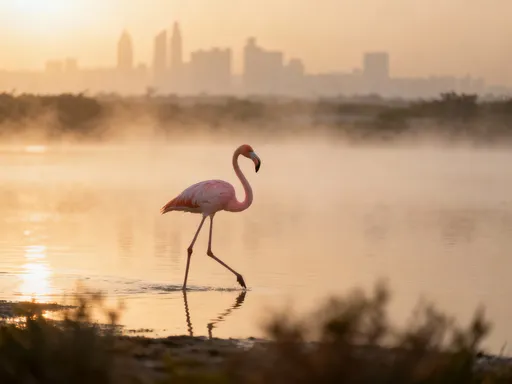
Just a short distance east of Manama lies Tubli Bay, a shallow coastal inlet that may appear unremarkable at first glance but is, in fact, a critical node in a global ecological network. Every year, thousands of migratory birds depend on this wetland as a stopover during their long journeys along the East Atlantic Flyway. From flamingos with their pink plumage glowing at sunrise to agile herons stalking fish in tidal pools, the bay teems with avian life during migration seasons. Its mudflats, seagrass beds, and remnant mangroves provide essential feeding and resting grounds for species traveling between Europe, Africa, and Asia.
The ecological importance of Tubli Bay cannot be overstated. It supports over 60 species of birds, including the western reef heron, crab plover, and curlew sandpiper—all of which rely on the bay’s rich intertidal zones for sustenance. For some, it is a brief pause; for others, it is a wintering site where they spend months regaining strength. The bay also functions as a nursery for fish and crustaceans, contributing to local marine productivity. Despite its value, this ecosystem has faced decades of pressure from land reclamation, wastewater discharge, and coastal development.
In recent years, increased awareness has led to stronger protection measures. The Bahraini government, in collaboration with environmental organizations, has implemented monitoring programs and initiated restoration projects, particularly focused on replanting mangroves. These salt-tolerant trees stabilize shorelines, filter pollutants, and provide habitat for juvenile fish and birds. Volunteer planting events have engaged local communities, turning ecological recovery into a shared responsibility. While challenges remain, including fluctuating water quality and encroaching urbanization, the trend is toward recovery rather than decline.
For birdwatchers and nature enthusiasts, Tubli Bay offers a rewarding experience. The best times to visit are early morning during spring and autumn migrations, when flocks arrive at dawn and fill the sky with movement. Observation points along the coast, though modest, provide clear views across the water. Binoculars are essential, as many birds remain at a distance, undisturbed by human presence. The experience is not about spectacle but about stillness—watching, listening, and recognizing the quiet drama of survival unfolding in the mud and reeds.
The Hawar Islands: A Protected Paradise Within Reach
Situated just off Bahrain’s southern coast, the Hawar Islands represent one of the Gulf’s most remarkable conservation achievements. This archipelago, stretching over 10 kilometers, lies closer to Qatar than to Bahrain but has been under Bahraini administration since the 1990s. In 1996, the entire island chain was declared a protected area, recognizing its global ecological significance. Today, it is home to one of the world’s largest breeding colonies of Socotra cormorants, with tens of thousands nesting on the rocky shores each year. The sight of these dark-winged birds soaring in formation or diving for fish is both dramatic and humbling.
Beyond the cormorants, the islands support a surprising diversity of life. Dorcas gazelles, a small and graceful species, roam the interior, having been introduced to the predator-free environment. Hawksbill turtles occasionally nest on secluded beaches, while dugongs graze in the surrounding seagrass meadows. The waters around the islands are rich in marine life, making them a hotspot for snorkeling and scientific research. Coral reefs, though not as extensive as those in other regions, host a variety of fish, invertebrates, and hard and soft corals adapted to warm, saline conditions.
Access to the Hawar Islands is tightly controlled to minimize human impact. Day trips are permitted through licensed eco-tour operators, and visitors must follow strict guidelines: staying on marked paths, avoiding nesting areas, and refraining from removing any natural materials. Drones are prohibited, and fishing is banned within the protected zone. These regulations are not arbitrary—they are based on scientific monitoring and designed to ensure the long-term survival of vulnerable species. The islands are not a playground but a sanctuary, where human presence is tolerated only when it aligns with conservation goals.
For those who do visit, the experience is transformative. The absence of crowds, the clarity of the air, and the sounds of birds overhead create a sense of remoteness rare in the Gulf. Educational briefings before landing emphasize respect and responsibility, framing tourism as a privilege rather than a right. The islands stand as a model of how protection and access can coexist—when managed with care, even fragile ecosystems can welcome curious visitors without compromising their integrity.
How to Visit Responsibly: Rules That Protect the Wild
Exploring Bahrain’s natural reserves is a privilege that comes with responsibility. Unlike commercial attractions, these protected areas are not designed for mass tourism. They exist primarily to safeguard biodiversity, and every visitor plays a role in either supporting or undermining that mission. Responsible tourism begins with preparation: obtaining necessary permits, choosing eco-certified tour operators, and understanding the rules before arrival. In places like the Hawar Islands and Al Areen Reserve, access is often restricted to guided groups, ensuring that impact is monitored and minimized.
One of the most important principles is staying on designated paths. Straying from trails can damage fragile vegetation, disturb nesting animals, or compact desert soils that take decades to recover. Feeding wildlife, though well-intentioned, disrupts natural behaviors and can lead to dependency or health issues. Littering, even with biodegradable items, introduces foreign elements that can harm animals and pollute water sources. Simple actions—carrying out all waste, using reusable water bottles, and avoiding single-use plastics—go a long way in preserving these spaces.
Technology also requires caution. Drones, while tempting for aerial photography, are prohibited in most protected areas due to the stress they cause birds and other wildlife. The sudden noise and movement can trigger panic, leading to nest abandonment or flight that depletes energy reserves. Similarly, loud voices, music, or sudden movements should be avoided, especially during breeding or migration seasons. The goal is not to eliminate human presence but to make it as unobtrusive as possible.
Eco-friendly tour operators play a crucial role in this balance. They provide trained guides who understand local ecosystems, enforce rules consistently, and educate visitors about conservation efforts. Choosing such operators supports sustainable practices and ensures that tourism revenue contributes directly to preservation. By aligning personal curiosity with environmental ethics, travelers become allies in conservation rather than accidental threats.
Local Efforts Making a Difference: Science and Community Action
The preservation of Bahrain’s natural treasures is not the work of a single agency but the result of coordinated efforts involving government bodies, scientists, and local communities. At the forefront is the Supreme Council for Environment, the national authority responsible for policy, regulation, and monitoring of protected areas. Through research initiatives, habitat assessments, and enforcement of environmental laws, the council provides the framework for long-term conservation. Its collaboration with international organizations, such as the Environment Agency – Abu Dhabi and BirdLife International, strengthens regional conservation networks.
On the ground, numerous projects demonstrate the power of science and civic engagement. Mangrove replanting in Tubli Bay has become a flagship initiative, with thousands of seedlings planted by volunteers and monitored by marine biologists. These efforts not only restore habitat but also improve water quality and increase carbon sequestration. Coral monitoring programs, conducted by university researchers and diving teams, track the health of reef systems and identify stressors such as temperature fluctuations and pollution. Data collected informs management decisions and helps predict ecosystem responses to climate change.
Community involvement is equally vital. Environmental NGOs organize clean-up drives, educational workshops, and citizen science programs that empower residents to take ownership of their natural heritage. Schoolchildren participate in tree planting, while local fishermen are engaged in sustainable practices that protect seagrass beds and fish stocks. These efforts foster a culture of stewardship, where conservation is not seen as a distant policy but as a shared responsibility.
Travelers can contribute by supporting these initiatives—donating to local organizations, participating in volunteer days, or simply spreading awareness. Many eco-tours include components where visitors learn directly from conservationists, gaining insight into the challenges and triumphs of environmental work. This connection transforms tourism from passive observation into active engagement, deepening the experience and amplifying its impact.
Why These Hidden Reserves Matter More Than Ever
In an era of rapid urbanization and climate change, the value of protected natural spaces extends far beyond aesthetics. For cities like Manama, these reserves serve as vital lungs, buffers against environmental stress, and reservoirs of biodiversity. They provide ecosystem services—filtering water, stabilizing coastlines, regulating temperatures—that are increasingly essential in a warming world. But their importance is also deeply human. In a fast-paced, technology-driven society, quiet places where one can walk among birds, watch the sunrise over wetlands, or listen to the wind through desert shrubs offer something irreplaceable: a sense of connection, peace, and perspective.
The existence of these sanctuaries challenges a common assumption—that development and nature are mutually exclusive. Manama proves otherwise. By integrating conservation into urban planning, Bahrain shows that cities can evolve without erasing their ecological foundations. These spaces are not relics of a vanishing past but active components of a resilient future. They remind us that progress need not mean domination over nature, but can instead mean coexistence, balance, and mutual care.
For the traveler, visiting these places is more than a scenic detour—it is an invitation to see the world differently. It is an opportunity to witness resilience in action, to understand the delicate threads that hold ecosystems together, and to recognize our role in either protecting or unraveling them. When we walk through Al Areen, scan the skies over Tubli Bay, or stand on the shores of the Hawar Islands, we are not just spectators. We are witnesses to a quiet revolution—one where a city chooses to protect its wild heart, and in doing so, redefines what it means to thrive.
These protected areas reveal a side of Manama rarely seen in brochures—quiet, resilient, and alive. They challenge the myth that nature and cities can’t coexist. By visiting mindfully, we don’t just discover hidden landscapes; we become part of their future.